
Agriculture

Agriculture

FGN/IFAD-VCDP supports 1,000 PWDs in agribusiness

The FG/IFAD-VCDP program is transforming Nigerian agriculture by strategically targeting inclusive economic empowerment, moving over 1,000 persons with disabilities from street begging to profitable agribusiness. Its unique model combines targeted support for women, youth, and disabled persons with critical systemic interventions, including building the capacity of financial institutions for farmer-friendly loans and integrating climate-smart technologies with weather data and insurance. This dual focus on direct beneficiary empowerment and strengthening the broader agricultural ecosystem ensures both sustainable livelihoods and enhanced food
Agriculture

NGO to empower 100 persons in aquaponic farming, smart ranches in Benue

This initiative tackles Nigeria’s farmer-herder conflicts and climate vulnerability by introducing two integrated, climate-smart livelihood models: water-efficient aquaponic farming for home-based food production and community-managed mini ranches to replace open grazing. Funded by the UK FCDO, the project strategically targets 100 beneficiaries in Benue and Katsina states, with a deliberate focus on empowering the most vulnerable groups—women, youth, and persons with disabilities—who are disproportionately affected by resource conflicts. By

Agriculture

Don advocates increased FG’s funding to boost livestock production

Nigeria can close its critical protein gap by strategically investing in the genetic improvement of its indigenous poultry, which holds untapped potential for higher yields and disease resistance. A key insight is the severe under-registration of improved livestock strains compared to crops, highlighting a systemic neglect of animal genetics. To compete globally, sustained, long-term government funding is essential to support the multi-decade breeding cycles required for genetic advancement. Practical steps include restructuring national research institutes into specialized, regionally optimized centres and fostering stronger collaboration

Agriculture

AU, Nigeria partner to strengthen safe market livestock mobility

Nigeria and the African Union are spearheading a strategic initiative to transform traditional livestock mobility into a formalized economic corridor, prioritizing safety, disease control, and market integration. This partnership aims to leverage cross-border collaboration and private investment to unlock the sector’s vast potential for national and regional growth. The core insight is a shift from viewing pastoralism as a challenge to treating it as a structured value chain, where orderly movement directly strengthens markets and livelihoods. Success hinges on building inclusive, evidence-based systems that benefit

Agriculture

FG/IFAD-VCDP empowers 105 Niger rice farmers with skills to boost productivity

A targeted agricultural intervention in Niger State is successfully transforming rice farming by training farmers in advanced dry-season techniques, enabling up to four production cycles annually. The program’s core value lies in its integrated model, combining hands-on agronomic training with critical post-harvest support like aggregation centers and subsidized inputs. A key insight is the requirement for community co-investment (e.g., land, labor), which fosters local ownership and sustainability. Ultimately, this initiative demonstrates that boosting food security and farmer profitability

Agriculture

FAO pledges support for resilient animal health systems

FAO is spearheading a coordinated, multi-partner initiative to eradicate Peste des Petits Ruminants (PPR) in West Africa by 2030, a critical goal given the disease’s severe threat to food security and rural economies. The strategy hinges on building resilient animal health systems through harmonized surveillance, national vaccination campaigns, and capacity building, as outlined in the Pan-African Strategy for 2023–2027. Success is deemed achievable but is entirely contingent upon sustained political commitment

Agriculture

Initiative mobilises Kaduna women for soil sustainability, GBV awareness

A women-led advocacy initiative in Kaduna successfully linked the critical issues of soil health and digital safety, positioning women as central agents for both food security and online protection. The event highlighted that regenerative agriculture, which combats soil degradation from chemical overuse, is essential for improving household nutrition and building climate-resilient food systems. Key insights include the need to formally integrate community voices like WISE into policy frameworks to scale impact and the strategic importance of home gardening to reduce market dependence. Ultimately, the partnership

Agriculture

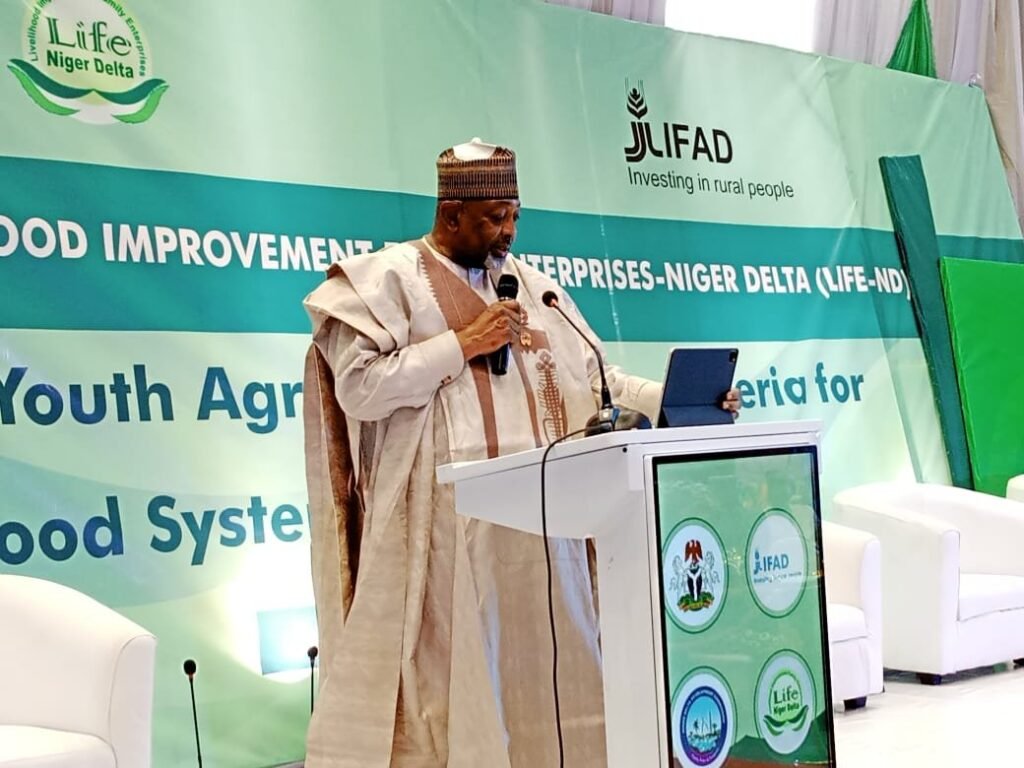
Agribusiness: FG To Scale Up Youth Agripreneurship In Nigeria

The Nigerian government is prioritizing youth-led agricultural innovation as the central pillar for national economic transformation, recognizing young agripreneurs as key drivers of tech-enabled solutions like precision farming and digital marketplaces. However, scaling this potential requires systematically dismantling critical barriers, specifically limited access to finance, land, and processing facilities. The strategic commitment is to move beyond pilot programs by unlocking resources and ensuring inclusive participation in governance, particularly for women and marginalized groups. This initiative represents a fundamental shift to position agriculture not just

Agriculture

FG tasks Africans on sheep, goat plague eradication

To meet the 2030 global eradication target for the devastating sheep and goat plague (PPR), African nations must fundamentally transform their approach from reactive to predictive, data-driven surveillance. Success hinges on adopting modern digital tools for real-time risk mapping, harmonizing epidemiological data across borders, and strengthening regional coordination, as the disease does not respect national boundaries. This requires closing critical gaps in reporting, laboratory-field linkages, and fragmented information systems to enable seamless, collaborative action. Ultimately, eradicating PPR

Scroll to Top